By  Best IRS Tax Refund · Last updated
Advertiser disclosure: this page mentions TurboTax products. See our advertiser disclosure for how we work with advertisers.
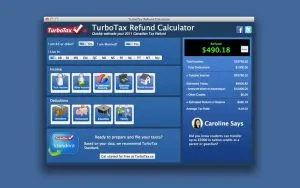
The TurboTax TaxCaster is a free online estimator that gives you a rough federal refund or balance due before you file. It is not a filed return and it is not tax advice. Treat the number as a planning figure, then check it against your real W-2 and the IRS rules for your tax year.
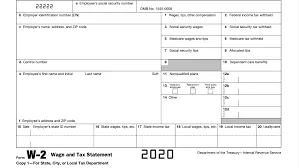
Have your paperwork handy first. If you are missing a W-2, see how to get your W-2 form online.
What the TaxCaster Does (and Does Not Do)
You answer questions about your filing status, dependents, income, deductions, credits and the tax you have already paid. The tool then estimates your federal result. According to TurboTax, it uses the tax rules it has loaded for the current filing season, and it does not cover state income tax.
It will also suggest a TurboTax product for filing. That is a sales step, not a requirement. You can use the estimate and file any way you like.
- It is a free estimate tool for the federal return.
- It is not a filed return. Nothing goes to the IRS.
- It is not tax advice. A tax professional can look at your whole situation.
- Your result depends on the answers you give. Wrong inputs mean a wrong estimate.
TurboTax has described the tool as needing no sign-in. Check the current page for what it asks before you enter anything sensitive.
The TaxCaster itself costs nothing. TurboTax offers it as a free estimator on its website. Actually filing a return through TurboTax is a separate product with its own pricing.
Before you start, gather your W-2s, any 1099s and your last return. They save the most guessing. If you want to sanity-check the figures first, our guide to the three key numbers on your W-2 shows what to look at.
Where to Find It: Web, Not an App
Older articles, including earlier versions of this one, point to an iPhone or Android app. TurboTax’s own pages now say the TaxCaster mobile app is no longer available for download. Use the web version on TurboTax.com instead, and it works in a phone browser too.
How the TaxCaster Gets to a Number
The math is the same as on any return. Your income, minus adjustments, gives your adjusted gross income. You then subtract the standard deduction or your itemized deductions, apply the tax brackets, and subtract credits. Payments already made, such as withholding from your W-2, decide whether you get a refund or owe.
For the full walk-through, read how your IRS income tax refund is calculated.
Deductions: Standard or Itemized?
Most filers take the standard deduction. For tax year 2026 (returns filed in 2027), the IRS lists these amounts, as of its October 2025 announcement:
| Filing status | Standard deduction, tax year 2026 |
|---|---|
| Single or married filing separately | $16,100 |
| Head of household | $24,150 |
| Married filing jointly | $32,200 |
Itemizing only pays off if your deductions add up to more than that. The usual candidates are:
- Medical expenses above the IRS threshold;
- Mortgage interest and real estate taxes;
- Charitable donations;
- State and local taxes, subject to the current cap.
Education costs are usually handled as credits or adjustments rather than itemized deductions. See education tax deductions and credits and the Lifetime Learning Credit.
Credits People Often Miss
- The Earned Income Credit, if your income and family size qualify;
- Child and dependent care credits;
- Education credits for you or a dependent;
- The student loan interest deduction, up to $2,500;
- Points paid on a mortgage, which may be deductible over time when refinancing.
Amounts and limits change each tax year. Confirm them on IRS.gov or with a tax professional.
A Note on Exemptions
Earlier versions of this page said the TaxCaster handles personal and dependent exemptions. That is outdated. The federal personal exemption amount has been zero since 2018, and the 2025 tax law made that permanent. Dependents still matter, but through credits such as the Child Tax Credit, not an exemption deduction. Any state or local exemptions depend on where you live and are not part of the federal estimate.
The Alternative Minimum Tax
The AMT is a parallel tax calculation that disallows some deductions. If the AMT figure comes out higher than your regular tax, you pay the difference. Fewer filers are hit by it today, mainly those with large incomes or certain stock option and deduction patterns. A good estimator flags it, but check Form 6251 instructions if you think it applies.
TurboTax’s Guarantees
TurboTax states that its filing products come with an accuracy guarantee and a maximum refund guarantee. As TurboTax describes them, it will cover penalties and interest caused by its calculation errors, and it will refund the purchase price if another method gives you a larger refund. Limitations apply, and the details differ by product. Read TurboTax’s official guarantee terms before relying on them. We cannot promise any result, and neither can an estimator. If you want to lower the cost of filing, see our TurboTax discount code roundup.
This article is general information, not tax advice. Tax rules, limits and amounts change by tax year, so check IRS.gov or a tax professional for your situation.